
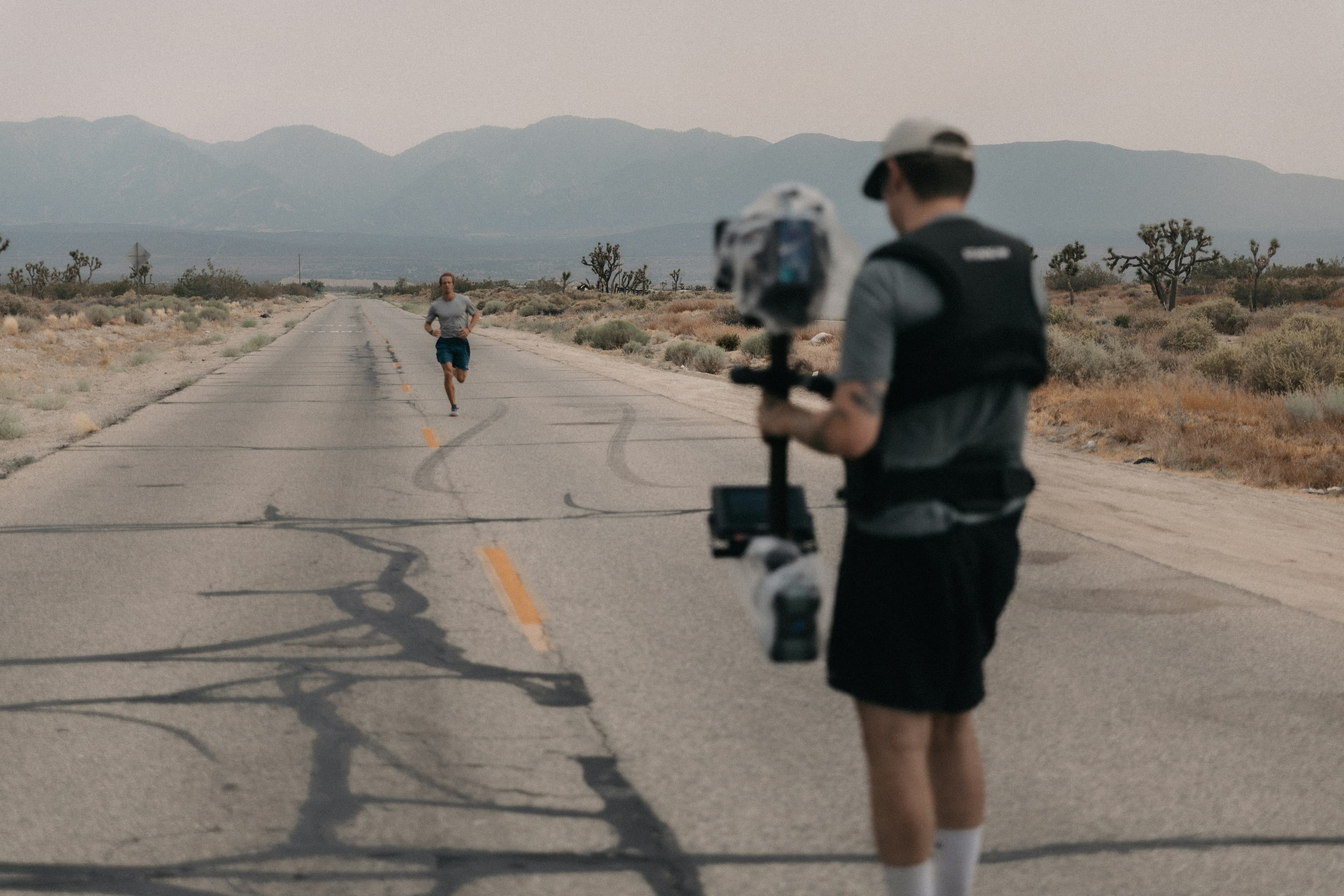
Use slow-motion video analysis at home to improve running form by checking knee lift, foot strike, and arm swing. Easy tips for smoother strides.
Video Analysis at Home: Slow-Motion Checks and Key Angles
Running form matters, and a simple way to fine-tune yours is with video analysis using slow-motion mode on your phone. Watching yourself run in detail helps spot subtle tweaks that can improve efficiency, reduce injury, and make each stride smoother. This guide walks you through quick and effective slow-mo checks to do right at home or on the go.
Why Use Slow-Motion Video for Running Form?
Treat your next run like a mini science experiment. Slow-motion video reveals movements too fast for the naked eye, such as foot strike position, knee lift angle, and arm swing patterns. These clues help you understand what you actually do versus what you think you do. With this feedback, you can self-coach smarter and enjoy your runs more.
Quick Slow-Motion Checks You Can Try Today
Mini Version: Quick Check
Warm up with 5 minutes of easy jogging until relaxed.
Set your phone steady at hip height or get a friend to film.
Record 15 seconds running straight at an easy pace from the side.
Watch the clip in slow motion. Focus on knee lift and where your foot lands.
Pick one simple tweak to try next time, like softer foot strike or higher knees.
Three-Angle Check for More Detail
Warm up 5-10 minutes, including some fast strides.
Record 15 seconds each from side, front, and back angles.
Look for key points:
Side view: Knee lift (~90° ideal), foot landing beneath hips.
Front/back views: Hip drop or sway, arm swing symmetry with elbows bent about 90°.
Spot if arms cross the body or feet land off-line.
Focus on one or two form adjustments for your next session.
Treadmill or Travel Quickie
Warm up 5 minutes at usual pace.
Set device on tripod or stable shelf for side view.
Record 30 seconds slow-mo running.
Check for consistent foot strike and arm swing control.
Repeat once or twice to observe fatigue effects.
Common Issues and Simple Solutions
Blurry or shaky footage: Use a tripod or stack books; ensure ample natural light.
Feeling overwhelmed by angles: Focus on one form element at a time.
Running weird when filmed: Treat filming as part of the workout, stay relaxed.
Overanalyzing: Watch multiple clips to identify consistent patterns.
Unsure what perfect looks like: Reference trusted running coaches’ videos online.
Worrying about form perfection: If pain-free, your unique style is okay.
"Slow-motion video is a powerful tool to reveal subtle running form details, helping you improve efficiency and reduce injury risk step by step."
What Experts Say
Research confirms slow-motion video lets you see rapid, subtle running biomechanics missed by the naked eye. Inefficient foot strikes linked to injury risk can be identified. However, sudden form changes can cause new problems, so gradual tweaks are best. Remember, there's no one perfect form: many styles work well.
Wrap-Up
Give slow-motion running video a try next time you hit the road or treadmill. It’s an easy, insightful way to become your own running coach. Observe, adjust, and enjoy smoother strides with newfound confidence.